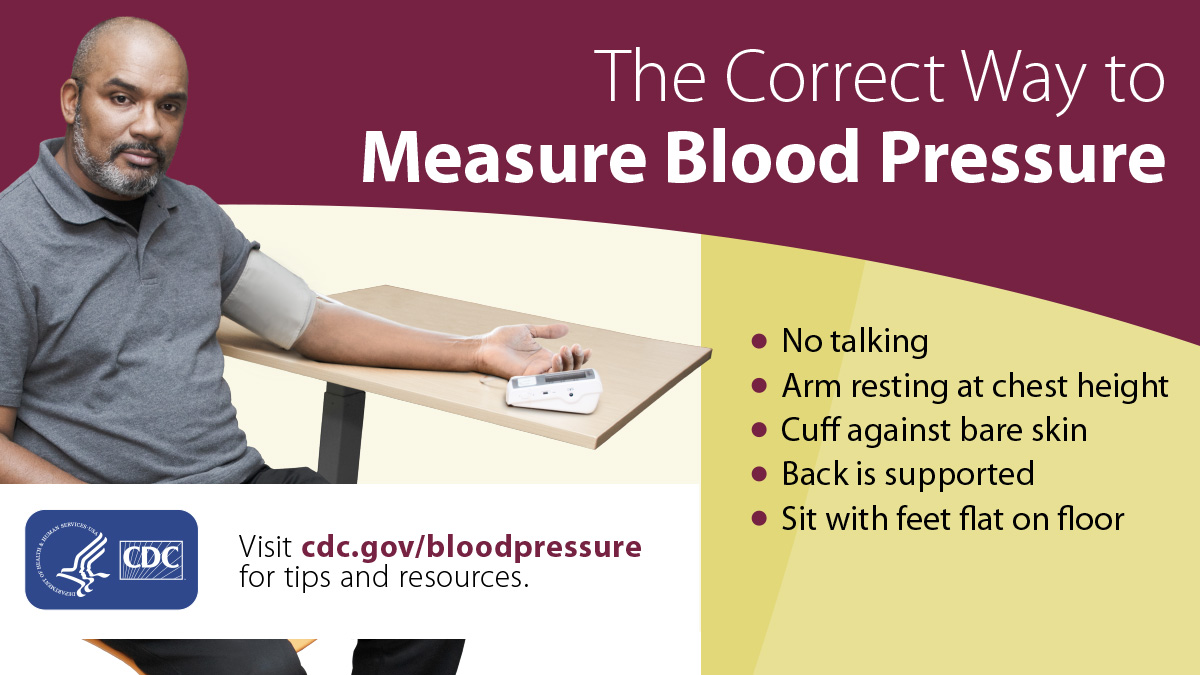
Heart Health: More Than Just Blood Pressure
Managing your blood pressure is an important part of protecting your heart — but it’s not the only factor. Heart health involves more than your BP. Cholesterol levels, medical history, lifestyle, and medications can all play a role in reducing your risk of heart disease.
At Bellaire and East Jordan Family Health Centers, we work with patients to look at the full picture and create a plan that fits their individual needs.
Risk Factors for Heart Disease
You may be at higher risk for heart disease if you have one or more of the following:
- High blood pressure
- High cholesterol
- Diabetes
- A history of smoking
- Family history of heart disease
- Being overweight or inactive
Knowing your risk factors helps your care team recommend the best steps to protect your heart.
What You Can Do Today
You can take steps to protect your heart by:
- Checking your blood pressure regularly
- Managing cholesterol levels
- Taking medications as prescribed
- Eating a heart-healthy diet
- Being physically active
- Not smoking
- Keeping regular appointments with your care team
Talk With Your Care Team
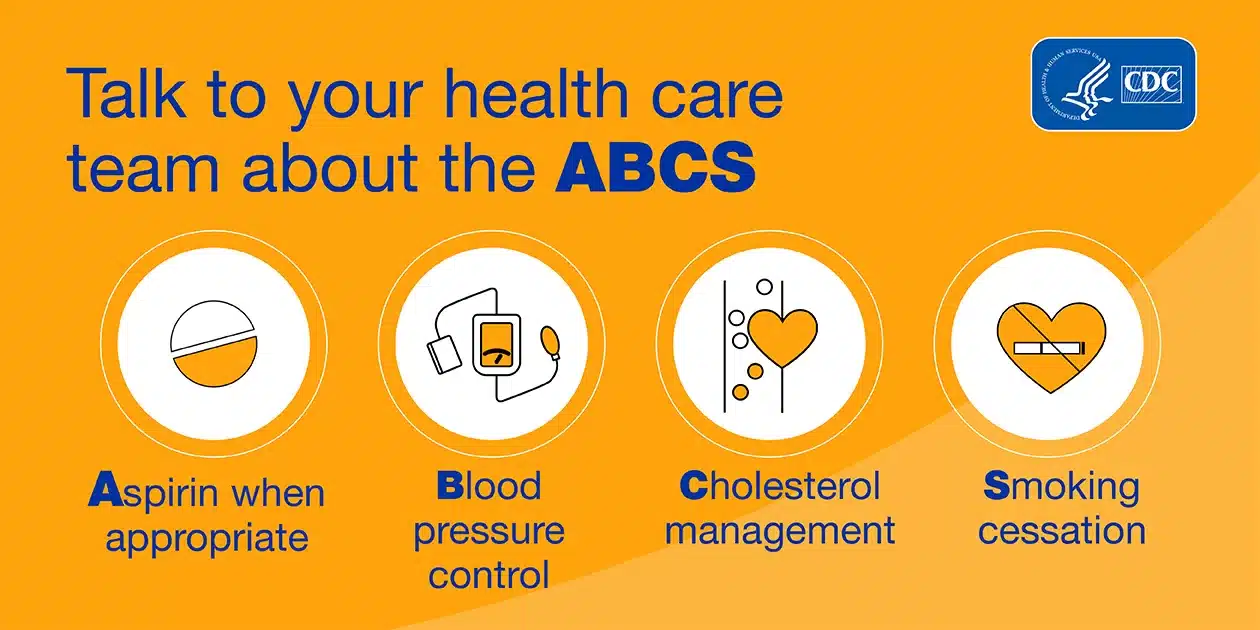
Heart health is personal. Whether it’s blood pressure, cholesterol, statins, aspirin, or lifestyle changes, your care team is here to help you understand your options and make informed decisions.
Ask your provider about your heart health risk and what steps are right for you.
Cholesterol Management & Statins
High cholesterol can increase your risk of heart disease and stroke. For some people, lifestyle changes like healthy eating and physical activity may help lower cholesterol. For others, medications called statins may be recommended.
Statins help:
- Lower “bad” (LDL) cholesterol
- Reduce the risk of heart attack and stroke in people at higher risk
Statins are not right for everyone. Your provider will consider your overall heart health, risk factors, and medical history before recommending medication.
Aspirin Therapy
For some patients at higher risk, low-dose aspirin may help reduce the chance of heart attack or stroke. However, aspirin is not recommended for everyone, as it can increase the risk of bleeding.
Your provider will help determine whether aspirin therapy is appropriate based on your age, health history, and overall heart risk.
Blood Pressure
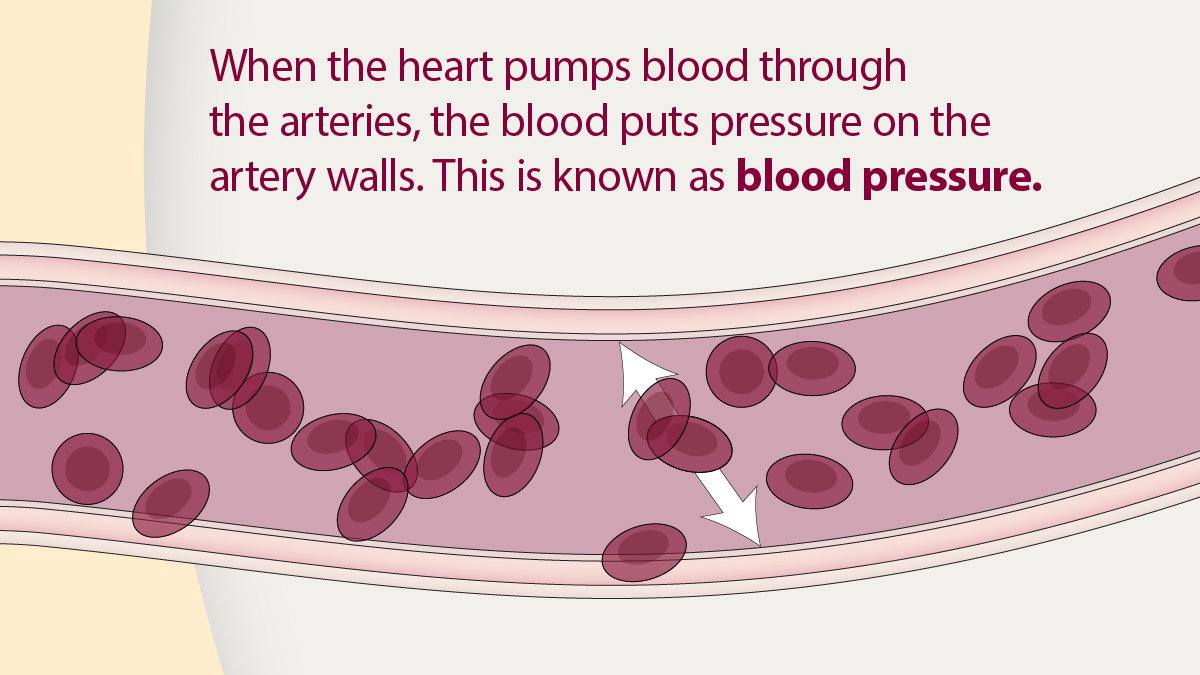
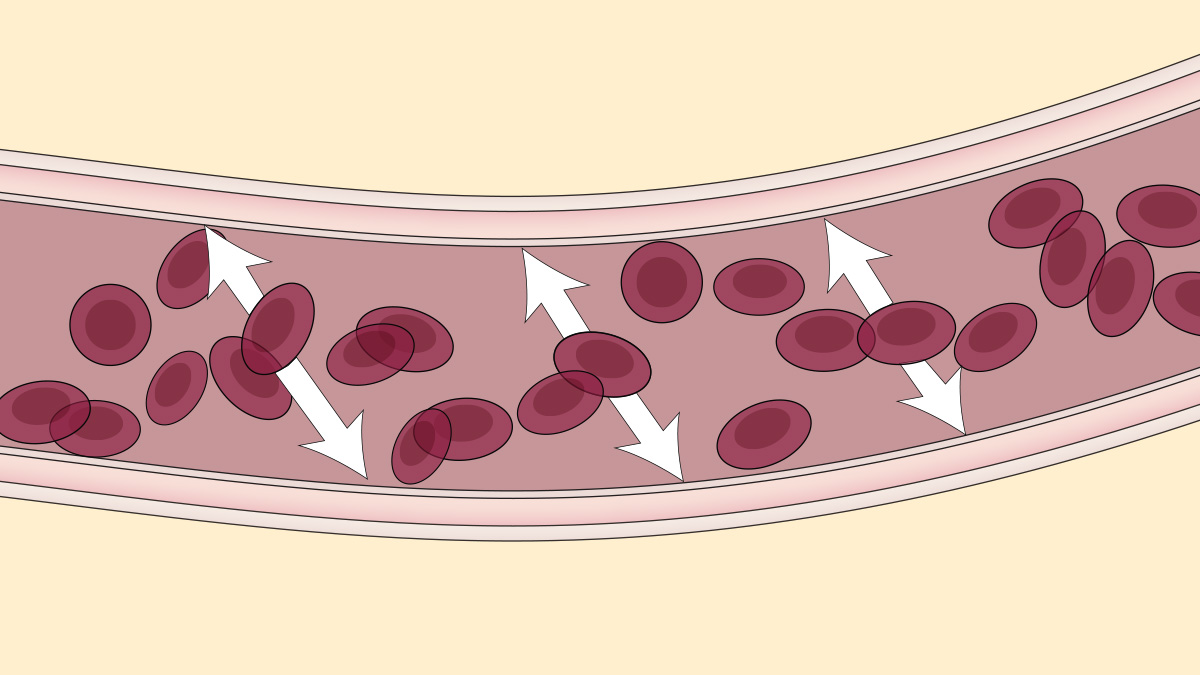
Blood pressure is the pressure that occurs when blood pushes against the walls of your arteries. Arteries carry blood from your heart to other parts of your body.
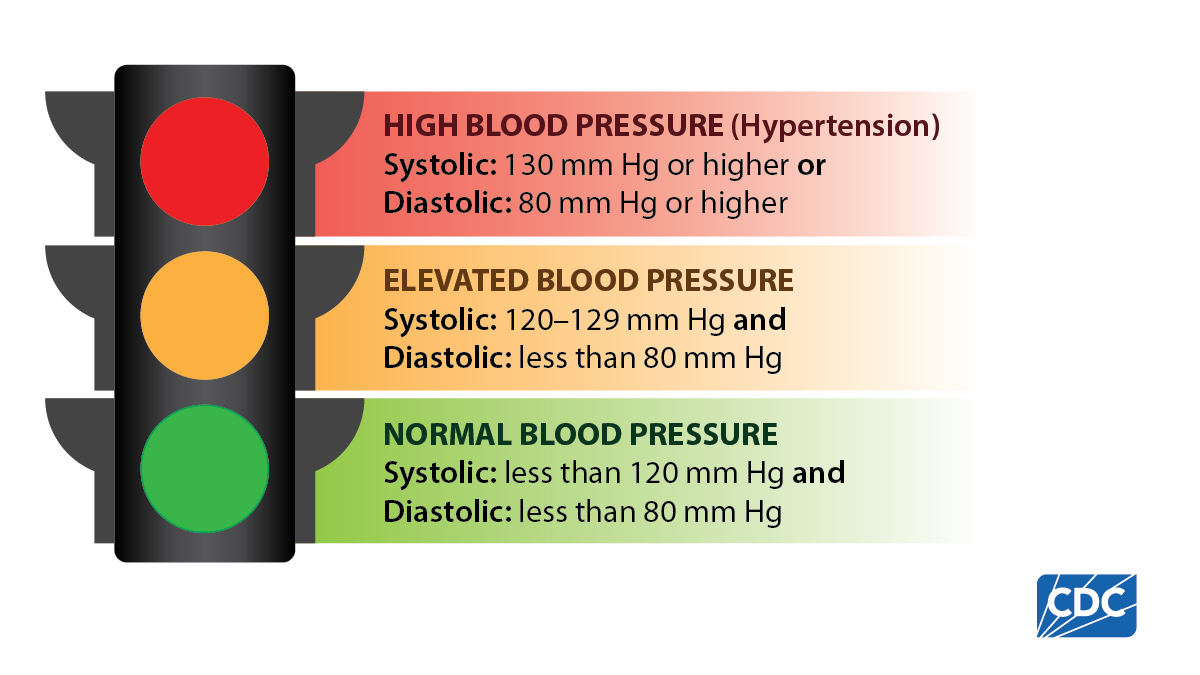
- Normal blood pressure is less than 120/80 mm Hg.1
- High blood pressure, also called hypertension, is blood pressure that is higher than normal.
- High blood pressure is consistently at or above 130/80 mm Hg.1
Your blood pressure changes throughout the day based on your activities. Having blood pressure consistently above normal may result in a diagnosis of high blood pressure.
The higher your blood pressure levels, the more risk you have for other health problems, such as heart disease, heart attack, and stroke.
Learn about how you can prevent and treat high blood pressure during pregnancy, which can put you and your baby at risk for health problems.
From CDC (https://www.cdc.gov/bloodpressure/index.htm)
Blood Pressure Resources (CDC)
About
Blood pressure is the pressure that occurs when blood pushes against the walls of your arteries. Arteries carry blood from your heart to other parts of your body.

Management
If you learn that you have high blood pressure, you should take steps to control your blood pressure. This will lower your risk for heart disease and stroke.

Prevention
Practice healthy living habits to help prevent high blood pressure.

Risk Factors
Risk factors that can increase your risk of high blood pressure include health conditions, your lifestyle, and your family history.